
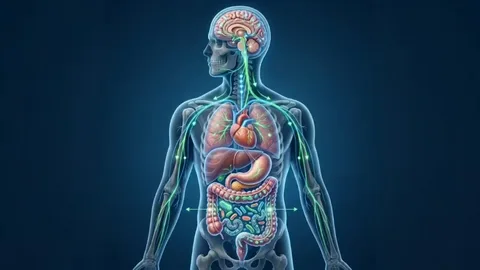
The Gut-Brain Connection: How Gut Health May Influence Mental Health
Have you ever noticed your stomach feeling upset when you are stressed or anxious? Or maybe you have heard someone say they had a “gut feeling” about something. While those sayings may seem casual, research is increasingly showing that the connection between your gut and your mental health is very real.
Researchers have been studying what is known as the gut-brain axis, which is the communication system between the digestive system and the brain. Researchers are finding that the bacteria living in our gut may influence mood, stress responses, inflammation, and even mental health conditions such as anxiety and depression (Gao et al., 2020; Simpson et al., 2021).
Although this area of research is still developing, it is helping us better understand how closely connected physical and mental health truly are.
What is the Gut-Brain Axis?
The gut-brain axis is the two-way communication network between the gastrointestinal (GI) tract and the central nervous system (Gao et al., 2020). Researchers describe this system as a biochemical signaling pathway where the gut and the brain communicate through neural, hormonal, immune, and metabolic pathways (Simpson et al., 2021).
One of the key parts of this system is the gut microbiome, which refers to the trillions of bacteria and microorganisms living in the digestive tract. These microbes help with digestion, immune functioning, and the production of chemicals involved in mood and emotional regulation.
Research suggests gut bacteria may influence:
- Serotonin production
- Stress hormones such as cortisol
- Inflammation
- Immune responses
- Neurotransmitters such as GABA (Simpson et al., 2021)
The gut microbiota may also influence the hypothalamic-pituitary-adrenal (HPA) axis, which is one of the body’s major stress response symptoms (Simpson et al., 2021)
A growing body of research suggests that the gut microbiota communicates bidirectionally with the brain the gut-brain axis. This pathway may influence mood and cognitive functioning through neural, hormonal, metabolic, and immune-related mechanisms. Researchers note that gut bacteria can regulate neurotransmitters and their precursors including serotonin, GABA, and tryptophan, which are all associated with emotional regulation and mental health (Bear et al., 2020)
Serotonin and the Gut
One reason researchers are so interested in gut health is because of serotonin. Serotonin is a neurotransmitter involved in mood, sleep, appetite, and emotional regulation. Although serotonin is often thought of as a “brain chemical,” much of the body’s serotonin is actually produced in the gastrointestinal tract (Gao et al., 2020). Certain gut bacteria also help regulate tryptophan, an amino acid involved in serotonin production.
Researchers have also found that gut microbes can influence other important compounds involved in mental health, including:
- Gamma-aminobutyric acid (GABA)
- Short-chain fatty acids (SCFAs)
- Brain-derived neurotrophic factor (BDNF) (Simpson et al., 2021)
These findings suggest the microbiome may influence emotional wellbeing through several biological pathways.
Inflammation, Stress, and Mood
One of the strongest themes across current research is the relationship between gut health and inflammation.
Research suggests that some bacterial imbalances may contribute to a more inflammatory state within the body (Simpson et al., 2021). Chronic inflammation has been associated with anxiety and depressive disorders in sever studies.
According to the systematic review by Simpson et al. (2021), anxiety and depressive disorders may be characterized by:
- Higher amounts of pro-inflammatory bacterial species
- Lower levels of beneficial short-chain fatty acid producing bacteria such as Faecalibacterium and Coprococcus
Short-chain fatty acids (SCFAs), especially butyrate, may help support:
- Gut barrier integrity
- Immune regulation
- Communication between the gut and the brain (Simpson et al., 2021)
Researchers suggest that when the gut barrier becomes compromised, inflammatory molecultes and bacterial byproducts may enter the blood stream more easily, potentially influencing brain functioning and stress responses.
Stress may also affect the gut itself. Elevated cortisol levels and chronic stress responses can influence digestion, intestinal permeability, and gut bacteria composition (Simpson et al., 2021).
What Research Had Found About Anxiety and Depression
A large systematic review examining 26 studies found evidence that the gut microbiota is associated with both anxiety and depressive disorders (Simpson et al., 2021).
Researchers identified several bacterial patterns commonly associated with anxiety and depression, including:
- Lower levels of Faecalibacterium
- Lower levels of Prevotellaceae
- Higher levels of inflammatory bacteria such as Enterobacteriaceae and Desulfovibrio (Simpson et al., 2021)
The review also found evidence that some bacteria associated with inflammation may communicate with the brain through immune signaling pathways.
However, researchers emphasized that findings are still somewhat inconsistent. Many studies differed in:
- Diet considerations
- Medication use
- Research methods
- Participant health histories (Simpson et al., 2021)
Because of this, researchers caution that the field is still evolving and more long-term research is needed.
Diet Lifestyle and Microbiome
Researchers are also studying how diet and lifestyle influence the microbiome and mental health.
Some studies suggest diets high in fiber and plant-based foods may help support beneficial gut bacteria, while highly processed diets may contribute to inflammation and microbiome imbalance (Simpson et al., 2021)
Foods that may support gut health include:
- Fruits and vegetables
- Legumes
- Oats and whole grains
- Fermented foods such as yogurt, kimchi, and sauerkraut
Researchers have also explored whether probiotics and dietary interventions help support emotional wellbeing. For example, some probiotic strains have shown potential benefits in reducing anxiety- and depression-like symptoms in animal studies (Simpson et al., 2021).
However, gut health should not be viewed as replacement for mental health treatment. Therapy, medication, social support, sleep, movement, and stress management remain important parts of care.
A Holistic Perspective on Mental Health
The growing research on the gut-brain connection reminds us that mental health is deeply connected to physical health.
Our digestive system, immune system, nervous system, stress responses, and emotional experiences all influence on another. Supporting physical health though nutrition, stress management, movement, sleep, and emotional support in may positively impact overall wellbeing.
At the same time, mental health conditions are complex and cannot be reduced to gut health alone. There is no single food, supplement, or lifestyle change that can “cure” anxiety or depression.
Final Thoughts
The relationship between the gut and the brain is one of the most exciting growing areas of mental health research. Researchers continue to explore how gut bacteria, inflammation, serotonin, stress hormones, and nutrition may influence emotional wellbeing.
While researchers are still learning more about these relationships, current findings suggest that caring for the body and caring for mental health are closely connected.
References
Bear, T. L., Dalziel, J. E., Coad, J., Roy, N. C., Butts, C. A., & Gopal, P. K. (2020). The role of the gut microbiota in dietary interventions for depression and anxiety. Advances in Nutrition, 11(4), 890–907. https://doi.org/10.1093/advances/nmaa016
Gao, K., Mu, C., Farzi, A., & Zhu, W. (2020). Tryptophan metabolism: A link between the gut microbiota and brain. Advances in Nutrition, 11(3), 709–723. https://doi.org/10.1093/advances/nmz127
Simpson, C. A., Diaz-Arteche, C., Eliby, D., Schwartz, O. S., Simmons, J. G., & Cowan, C. S. M. (2021). The gut microbiota in anxiety and depression – a systematic review. Clinical Psychology Review, 83, 101943. https://doi.org/10.1016/j.cpr.2020.101943

 Call Now