
What is Accelerated Resolution Therapy® (ART)?
Sometimes, difficult experiences don’t just stay in the past; they can stick with you and show up in the present.
They can feel like intrusive thoughts, emotional overwhelm, or reactions that don’t seem to match what is happening right now. Even when we know we’re safe, our body and mind may still respond as if we’re not.
This is where therapies like Accelerated Resolution Therapy®(ART) can help.
What is ART?
Accelerated Resolution Therapy is a brief, evidence-based psychotherapy designed to help people process distressing memories and reduce the emotional intensity connected to them.
ART combines
- Guided eye movements
- Image Rescripting (changing how a memory is experienced)
It is a structured, therapist-guided approach in which the process is supported without requiring clients to share the full details of their experience (Waits et al., 2017; Kip et al., 2013).
One of the most important things to know about ART is that you still remember what happened, but it no longer feels as overwhelming.
How does ART work?
ART works by helping the brain process and update how distressing memories are stored.
Rather than focusing on retelling the experience, ART focuses on:
- How the memory is held in the mind and body
- Reducing the emotional and physical intensity connected to it
- Shifting the imagery associated with the experience
Research describes ART as using eye movements alongside imagery techniques to help reduce distress and support new, less overwhelming experiences of past events (Kip et al., 2013; Waits et al., 2017)
Importantly:
- You do not have to describe your experience in detail
- The process is guided and contained
- The focus is on relief and resolution, not re-exposure
Why Does ART Work?
Research suggests that ART may work through a process called memory reconsolidation. When we recall a memory, it becomes briefly flexible before being stored again. During this window, the emotional intensity of that memory may be reduced or modified (Waits et al., 2017).
ART® appears to use this natural process to:
- Reduce emotional reactivity
- Lowers physical stress responses
- Shift how the memory is experienced moving forward
While research is still growing, early findings are promising.
What Can ART Help With?
ART had been used to support individuals experiencing:
- Trauma and PTSD
- Anxiety and Panic
- Intrusive thoughts
- Phobias
- Grief
- Depression
- Stress-related responses
Studies have shown significant reductions in trauma and depressive symptoms, often in a relatively small number of sessions (Kip et al., 2013; Waits et al., 2017).
What Makes ART Different?
ART is often experienced as a more time-efficient and focused approach compared to some traditional therapies. It does not require detailed verbal processing; instead, it works with how memories are stored, both emotionally and physically. A key element of ART is guided image rescripting, which helps shift how a distressing experience is felt and remembered. Because of these features, many people find ART to feel more manageable, contained, and less overwhelming than other trauma-focused approaches (Waits et al., 2017).
What a Session Feels Like
ART sessions are designed to feel supportive, structured, and grounded. Throughout the process, clients remain in control and are guided at a pace that feels manageable for them. The structure of ART also aims to provide a sense of closure at the end of each session, so individuals are not left feeling emotionally exposed or unsettled afterwards (Waits et al., 2017).
ART is Now Available at Collective Healing Centre with Natalie
We’re excited to share that Natalie Willis is now offering Accelerated Resolution Therapy here at Collective Healing Centre.
Natalie is a Registered Psychologist, and she brings a warm, compassionate, and client-centred approach to her work. ART is one of the ways she supports clients in processing difficult experiences in a way that feels safe, guided, and effective.
If you’ve been feeling stuck in patterns that don’t seem to shift, ART may be one option to explore!
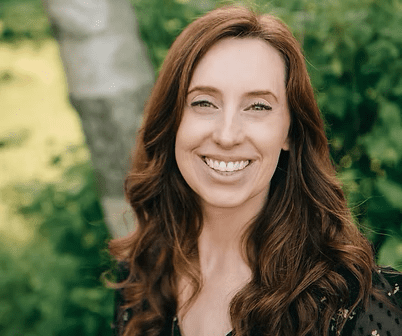
Natalie Willis Registered Psychologist, Owner of Collective Healing Centre
Next Steps
Healing doesn’t always have to take years.
Sometimes, with the right support, the brain is able to process and shift more quickly than we expect.
If you’re curious about ART or wondering if it might be a good fit for you, you’re always welcome to reach out and book a free consultation.
References
Accelerated Resolution Therapy. (2025, November 10). https://acceleratedresolutiontherapy.com/
Kip, K. E., Sullivan, K. L., Lengacher, C. A., Rosenzweig, L., Hernandez, D. F., Kadel, R., Kozel, F. A., Shuman, A., Girling, S. A., Hardwick, M. J., & Diamond, D. M. (2013). Brief treatment of co-occurring post-traumatic stress and depressive symptoms by use of accelerated resolution therapy®. Frontiers in Psychiatry, 4. https://doi.org/10.3389/fpsyt.2013.00011
Waits, W., Marumoto, M., & Weaver, J. (2017). Accelerated resolution therapy (ART): A Review and research to date. Current Psychiatry Reports, 19(3). https://doi.org/10.1007/s11920-017-0765-y

 Call Now